
Description
Vitamin B3 Nootropic Powder (100 Capsules)






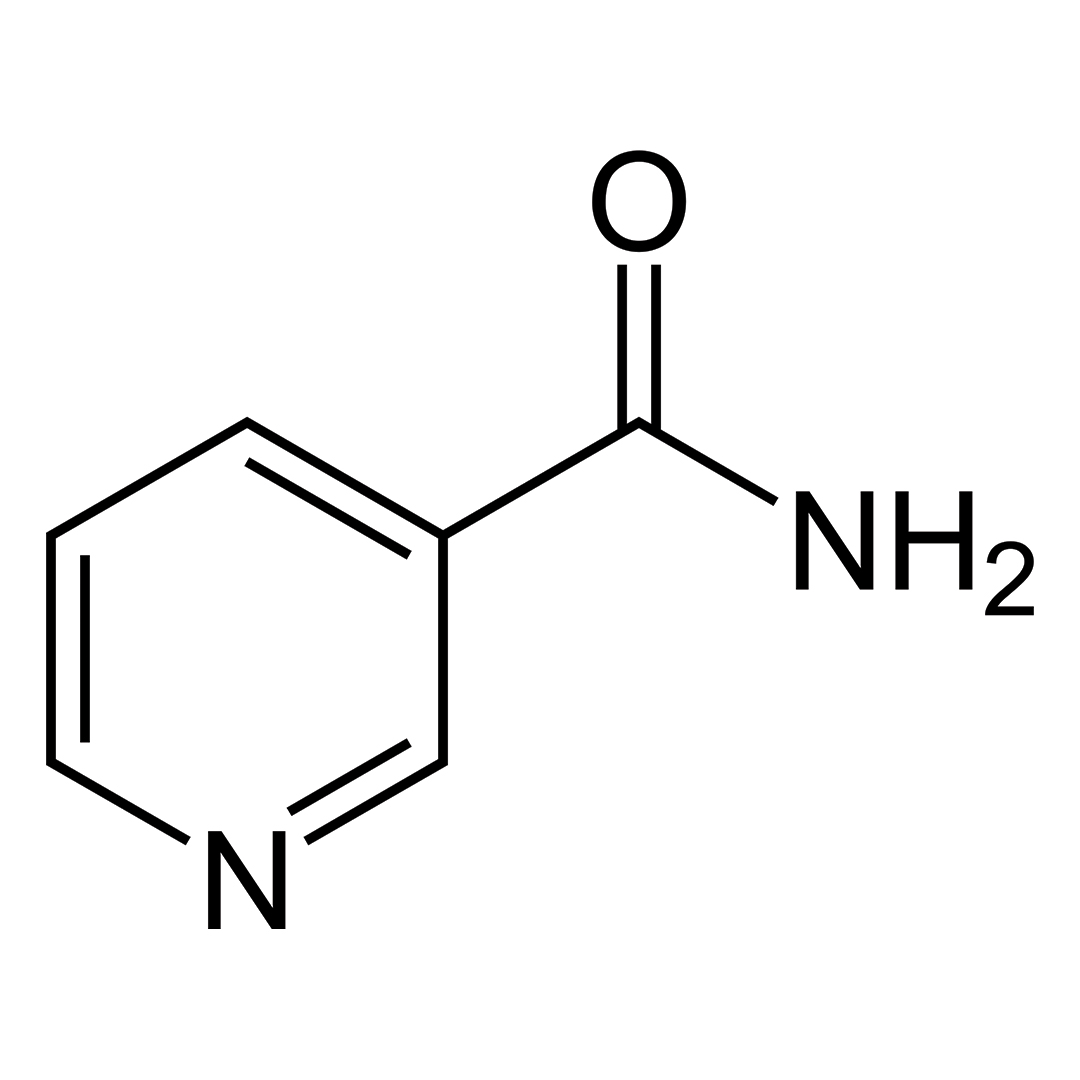
| CAS Number | 59-67-6 |
| Other Names | Nicotinic Acid, Niacin, Pyridine-3-carboxylic acid, 3-pyridinecarboxylic acid |
| IUPAC Name | pyridine-3-carboxylic acid |
| Molecular Formula | C₆H₅NO₂ |
| Molecular Weight | 123.11 |
| Purity | ≥99% Pure (LC-MS) |
| Liquid Availability | N/A |
| Powder Availability |  50 grams |
| Gel Availability | N/A |
| Storage | Store in cool dry environment, away from direct sunlight. |
| Certificate of Analysis | Due to this product’s nature, this chemical does not have a COA associated with it. |
| Terms | All products are for laboratory developmental research USE ONLY. Products are not for human consumption. |
What is Vitamin B3?
Vitamin B3, also known as niacin, is an essential water-soluble nutrient that plays a crucial role in maintaining overall health. It is one of eight B-complex vitamins and is involved in numerous metabolic processes, particularly those related to energy production and the function of enzymes in the body. Vitamin B3 exists in two main forms: nicotinic acid and niacinamide, also called nicotinamide; each of which has distinct biological functions but can be used by the body to meet its niacin requirements. Found naturally in a variety of foods, vitamin B3 also helps maintain healthy skin, nerves, and digestion. Deficiency in vitamin B3 can lead to pellagra, a condition characterized by symptoms like dermatitis, diarrhea, and dementia, highlighting its importance for normal physiological function.
Main Research Findings
1) Oral administration of vitamin B3 was safe and effective in reducing nonmelanoma skin cancers and actinic keratoses.
2) Application of topical B3 results in a reduced appearance of wrinkles in the skin, decreased yellowing, and improved skin elasticity.
Selected Data
1) The ONTRAC study was a randomized, double-blind, placebo-controlled trial conducted by the research team of Chen et al. Its goal was to assess whether oral nicotinamide, a form of vitamin B3, could reduce the incidence of new nonmelanoma skin cancers in high-risk individuals. Participants in the study were adults aged 18 years or older who had experienced at least two histologically confirmed nonmelanoma skin cancers within the past five years. Several exclusion criteria were enforced to ensure the safety and consistency of the results. Individuals were ineligible if they were immunosuppressed, pregnant, breastfeeding, or had significant kidney or liver dysfunction. Additional exclusions included a recent myocardial infarction, active peptic ulcers, genetic skin cancer syndromes, or large confluent areas of skin cancer that prevented accurate lesion counting. Moreover, participants who had used nicotinamide supplements, oral retinoids, or topical treatments for actinic keratosis within the previous four weeks were excluded. Those with invasive melanoma, metastatic cancer, or internal malignancies in the prior five years were also not eligible [1].
Eligible participants were randomly assigned to receive either 500 mg of nicotinamide or a matched placebo twice daily for 12 months. The randomization process was centralized and stratified based on the participant’s sex, study site, and history of nonmelanoma skin cancers. The tablets were identical in appearance to ensure blinding and adherence was monitored throughout the study by counting returned tablets at each scheduled visit over the 12-month treatment period.
Participants were examined by dermatologists, who were blinded to the treatment groups, at baseline and every three months for a total of 18 months. At each visit, newly detected lesions that were not immediately biopsied were followed up, and any subsequent malignancy was backdated to the date of initial detection for analysis. Actinic keratoses on exposed areas like the face, scalp, and arms were counted through physical inspection and palpation at each visit up to 12 months, with assessments carried out by trained personnel unaware of the treatment assignments [1].
All lesions were histologically confirmed by site-specific histopathologists. New squamous lesions including invasive squamous cell carcinoma, keratoacanthomas, Bowen’s disease, and actinic keratoses, as well as high-risk basal cell carcinoma subtypes, were reviewed by a single, blinded histopathologist to ensure consistent classification. Additionally, new melanomas and severely dysplastic nevi were evaluated by a pathologist specializing in melanocytic neoplasms. Safety assessments included monitoring adverse events and performing blood tests at baseline and 12 months to assess blood counts, electrolyte levels, and liver and kidney function. These safety assessments continued throughout the 12-month treatment phase and for 30 days afterward [1].
The primary endpoint was the total number of new, histologically confirmed nonmelanoma skin cancers detected during the 12-month intervention period. Secondary endpoints included the number of new basal cell carcinomas, squamous cell carcinomas, and actinic keratoses detected during this period. The study also looked at new nonmelanoma skin cancers in the six months following treatment cessation and evaluated the safety of nicotinamide through reports of adverse events. Additional secondary endpoints, such as cognitive function and transepidermal water loss, were included in the study design but not reported in the current manuscript.
A sample size of 386 participants was determined to provide 90% statistical power to detect a 33% reduction in nonmelanoma skin cancers incidence in the nicotinamide group compared to placebo, assuming an average of one new nonmelanoma skin cancers per person in the placebo group and accounting for a 10% nonadherence rate. Subgroup analyses were preplanned to assess the consistency of the treatment effect across several demographic and clinical variables, including age, sex, history of nonmelanoma skin cancers, actinic keratosis count, smoking status, and use of NSAIDs or statins at baseline [1].
The study also evaluated how the treatment effect evolved over time by analyzing nonmelanoma skin cancer rates at each 3-month visit using generalized estimating equations and a repeated-measures negative binomial model. Actinic keratosis counts were similarly analyzed with a mixed-effects model for repeated measures, including variables for study group, time, and their interaction, along with baseline values and study center [1].
2) This clinical study conducted by the research team of Bissett et al investigated the effects of niacinamide, a form of vitamin B3, on facial aging and skin biology through both human trials and laboratory-based fibroblast analysis. The study was conducted with oversight to ensure compliance with the established protocol, and a statistician was responsible for reviewing the study design and analyzing the data to evaluate statistical significance. The human component of the study focused on facial aging and included 50 healthy white female participants between the ages of 35 and 60. All subjects were non-pregnant and non-lactating [2].
The design of the study was double-blind and placebo-controlled, using a split-face method with randomized left-right treatment assignment. Participants were selected based on the presence of visible signs of aging, specifically fine lines or wrinkles in the eye area and poor texture in the cheek area. Only those with a baseline score of 2.0 or greater on a 0–5 scale were eligible. Poor skin texture was defined by enlarged pores and a rough, uneven appearance often described as “pebbly” or “orange peel-like.” Additionally, subjects were required to have at least two hyperpigmented spots of at least ¼ inch in diameter on each side of the face.
Before the actual testing began, participants underwent a 2-week washout period during which they used a standardized facial cleanser and a commercial oil-in-water moisturizer twice daily. After this phase, the moisturizer was replaced with test formulations for the remainder of the 12-week study, while the cleanser remained the same. The test formulations were oil-in-water moisturizers with one version containing niacinamide and the other serving as a control, identical in every way except for the absence of niacinamide. These were distributed in blind-coded, opaque tubes labeled for use on either the left or right side of the face. Participants applied a pea-sized amount of approximately 0.4 grams, of each product to the designated side of their face twice daily: once in the morning and once in the evening, with the latter at least one hour before bedtime. New supplies of the test products were provided at baseline, and again at weeks 4 and 8 [2].
To evaluate the effects of the treatments, skin elasticity measurements were obtained using a Cutometer, which detects dermal changes with an 8 mm probe. Additionally, digital facial images were captured at baseline, and at weeks 4, 8, and 12. These images were recorded using two systems: the Wrinkle Imaging System and the Color Imaging System. The Wrinkle Imaging System used high magnification and non-polarized incandescent lighting to emphasize surface features such as fine lines and wrinkles. The Color Imaging System used low magnification and polarized fluorescent lighting to eliminate shine, allowing for precise evaluation of skin color and pigmentation. All photographs were taken under strictly controlled conditions, including standardized lighting, camera distance, and subject positioning. Prior to imaging, subjects acclimated for 30 minutes in a room with controlled temperature and humidity and were covered with black drapes to eliminate visual distractions [2].
The effectiveness of the niacinamide-containing product was assessed using both subjective and objective methods. Expert graders, trained in dermatological assessment, conducted a visual perception study. They evaluated facial images side-by-side at different time points using color-calibrated monitors. Images were randomized in terms of treatment side and presentation order. Graders selected which side appeared improved for specific skin attributes and rated the extent of improvement on a 0–4 scale. Each image pair was reviewed independently by three graders, and their scores were averaged. In addition to this visual analysis, computer-based image analysis was also employed. Proprietary algorithms were used to quantify color changes such as yellowing or hyperpigmentation, and surface characteristics such as wrinkle length and texture area.
Complementing the clinical testing, the study also included laboratory experiments using cultured human fibroblasts to evaluate biological mechanisms. Fibroblasts were obtained from neonatal tissue and a 57-year-old donor, and cultured in a minimum essential medium for varying durations. For tests involving treatment, fibroblasts from the older donor were cultured for five to seven days until they reached near-confluency. The supernatant was collected from duplicate cultures and analyzed for its content of hyaluronic acid, a major glycosaminoglycan that contributes to skin hydration and elasticity. Hyaluronic acid levels were measured using a commercial antibody-based assay kit [2].
Overall, the study was designed to comprehensively evaluate the cosmetic and biological effects of niacinamide on aging skin through both visual and quantitative assessments. The dual approach of clinical trials and culture analysis offered insight into not only the visual improvements observed with niacinamide use but also its potential mechanisms of action at the cellular level [2].
Discussion
1) The ONTRAC study conducted by Chen et al, was a randomized, double-blind, placebo-controlled clinical trial that assessed the efficacy of oral nicotinamide in preventing new nonmelanoma skin cancers in high-risk individuals. Initial data found that baseline characteristics, including demographics and medical history, were balanced between the two groups. Adherence to the treatment regimen was high across both groups. Median adherence was 96% in the placebo group and 94% in the nicotinamide group, with no significant differences in adherence noted at any of the scheduled 3-month follow-up visits. Follow-up was nearly complete, with only three participants missing skin assessments after the baseline visit [1].
The primary outcome of interest was the development of new nonmelanoma skin cancers during the 12-month treatment period. Results showed a statistically significant reduction in the incidence of new nonmelanoma skin cancers in the nicotinamide group compared to placebo. On average, patients receiving nicotinamide developed 1.8 new nonmelanoma skin cancers, while those in the placebo group developed 2.4, equating to a 23% reduction in cancer incidence after adjusting for study center and prior history of nonmelanoma skin cancers. A secondary analysis without adjustment showed a 27% reduction. At each quarterly assessment during the intervention period, the nicotinamide group consistently demonstrated lower rates of new nonmelanoma skin cancers, though individual time points did not always achieve statistical significance [1].
However, the protective effect of nicotinamide was not sustained after discontinuation of the drug. In the 6-month post-intervention follow-up, there was no statistically significant difference in the incidence of new nonmelanoma skin cancers between the two groups. Subgroup analyses revealed no meaningful modification of the treatment effect by age, sex, baseline actinic keratosis count, smoking status, or use of nonsteroidal anti-inflammatory drugs or statins. There was a suggestion of greater benefit among participants with a higher number of nonmelanoma skin cancers in the five years before enrollment, the number of recurrent nonmelanoma skin cancers was comparable between groups.
When analyzing the subtypes of nonmelanoma skin cancers, basal-cell carcinomas were also reduced in the nicotinamide group. The average number of basal-cell carcinomas per participant during the 12-month period was 1.3 in the nicotinamide group versus 1.7 in the placebo group, corresponding to a 20% reduction after adjustment, although this result did not reach statistical significance. The reduction appeared to be primarily in superficial basal-cell carcinomas. During the 6-month post-treatment period, there was no significant difference between groups in basal-cell carcinomas occurrence [1].
Squamous-cell carcinomas were also reduced in the nicotinamide group, with a mean of 0.5 new Squamous-cell carcinomas per participant compared to 0.7 per participant in the placebo group, representing a 30% reduction. This reduction was independent of the tumor differentiation. There was a trend toward more Squamous-cell carcinomas in the nicotinamide group during the post-intervention period, but this difference did not achieve statistical significance [1].
Another key secondary endpoint was the number of actinic keratoses, a precursor to squamous-cell carcinomas. Nicotinamide led to significant reductions in actinic keratoses at each time point during the intervention: 11% at 3 months, 14% at 6 months, 20% at 9 months (P < 0.001), and 13% at 12 months (P = 0.001). This translated to an average reduction of 3 to 5 lesions per person from baseline in the nicotinamide group compared to placebo. Interestingly, reported sunscreen use was lower in the nicotinamide group, suggesting that the observed benefits were not attributable to increased sun protection behavior.
In conclusion, this study demonstrates that oral nicotinamide at a dose of 500 mg twice daily significantly reduces the incidence of new nonmelanoma skin cancers and actinic keratoses in high-risk individuals during a 12-month treatment period. The protective effect, however, wanes after discontinuation of therapy. Nicotinamide appears to be a safe, inexpensive, and well-tolerated chemopreventive agent, with no clinically significant adverse effects observed. These findings support its potential use as a preventative strategy in patients with a history of frequent skin cancers [1].
2) The clinical evaluation of topical 5% niacinamide performed by the research team of Bissett et al revealed multiple beneficial effects on aging facial skin. These improvements were measured and observed across a range of common age-related skin concerns, including pigmentation irregularities, red blotchiness, wrinkles, yellowing, and elasticity. The treatment outcomes were consistent with findings from previous studies and supported both by subjective expert grading and objective instrumental assessments [2].
One of the most noticeable benefits of niacinamide treatment was a reduction in hyperpigmented spots, commonly associated with age and sun exposure. These spots, often appearing as lentigines or dark patches, were significantly diminished after eight weeks of twice-daily application of the niacinamide-containing moisturizer. The effect was consistent with prior studies on different skin types, including white and Japanese facial skin. This suggests that niacinamide’s depigmenting effect is reliable across ethnicities, highlighting its broad applicability in cosmetic skincare.
In addition to improving pigmentation irregularities, niacinamide was effective in reducing red facial blotchiness, another common sign of aging or irritation. Red blotchiness was gradually reduced over the course of the 12-week study, with significant differences from baseline observed at the final time point. This improvement in skin color uniformity is consistent with earlier clinical studies and adds to the evidence supporting niacinamide’s anti-inflammatory or barrier-repairing properties [2].
A particularly important result from this study was the reduction in fine lines and wrinkles, which was observed after eight weeks of treatment. Wrinkle depth and visibility were evaluated using high-resolution imaging and expert grading, and a statistically significant decrease in these features was documented. Two biological mechanisms may explain this anti-wrinkle effect. First, niacinamide appears to stimulate collagen production. Collagen is a critical structural protein that maintains skin firmness and elasticity, and its loss contributes to wrinkle formation. Prior work involving cultured fibroblasts confirmed this collagen-boosting property [2].
Second, niacinamide may help reduce the accumulation of excess dermal glycosaminoglycans. Although glycosaminoglycans such as hyaluronic acid play essential roles in hydration and tissue structure, excessive levels can disrupt dermal architecture in aging skin. Cell culture experiments using fibroblasts from both neonatal and 57-year-old donors showed that older fibroblasts produced two to three times more glycosaminoglycans than younger ones. This age-related increase in glycosaminoglycans production was mitigated by treatments with niacinamide, as well as by all-trans retinoic acid, a well-established anti-aging compound used as a positive control. Thus, the wrinkle reduction observed clinically may be due to a combination of enhanced collagen synthesis and better regulation of glycosaminoglycan levels in the dermis.
Another hallmark of aging skin is yellowing, also referred to as sallowness, which gives the skin a dull and unhealthy appearance. This study evaluated skin yellowing using objective color measurements that quantifies yellow tones. Niacinamide was effective in preventing an increase in skin yellowing over the 12-week study period. Although the exact biological mechanism behind this effect is not fully understood, one proposed explanation involves the prevention of protein glycation. Glycation is a non-enzymatic chemical reaction that leads to the formation of advanced glycation end-products, which can discolor proteins like collagen and elastin, leading to a yellowish appearance. Niacinamide may interfere with this process, though further investigation is needed to confirm this mechanism [2].
Improvements in skin elasticity were also documented through cutometry, an instrumental method that measures mechanical properties of the skin. Two key cutometry parameters were evaluated: R5, which represents the viscoelastic properties of the skin, and R7, which measures the skin’s ability to return to its original state after deformation. Both parameters showed significant improvements after 12 weeks of niacinamide treatment, indicating that the skin had become more supple and resilient. Although the precise biochemical pathways responsible for these changes are not entirely clear, they may be linked to the same mechanisms involved in wrinkle reduction including: dermal remodeling through increased collagen production and reduced glycation of dermal matrix components such as collagen and elastin [2].
In conclusion, the clinical use of topical 5% niacinamide over a 12-week period demonstrated a broad spectrum of benefits for aging skin. These included significant reductions in hyperpigmented spots, red blotchiness, and wrinkles; prevention of yellowing; and measurable improvements in skin elasticity. The mechanisms underlying these effects likely involve a combination of anti-inflammatory activity, enhanced extracellular matrix remodeling, stimulation of collagen synthesis, regulation of glycosaminoglycan production, and potential anti-glycation effects. These findings strongly support the use of niacinamide as an effective, multi-functional ingredient in topical treatments designed to address the visible signs of facial skin aging [2].
Disclaimer
**LAB USE ONLY**
*This information is for educational purposes only and does not constitute medical advice. THE PRODUCTS DESCRIBED HEREIN ARE FOR RESEARCH USE ONLY. All clinical research must be conducted with oversight from the appropriate Institutional Review Board (IRB). All preclinical research must be conducted with oversight from the appropriate Institutional Animal Care and Use Committee (IACUC) following the guidelines of the Animal Welfare Act (AWA).
Citations
[1] Chen AC, Martin AJ, Choy B, et al. A Phase 3 Randomized Trial of Nicotinamide for Skin-Cancer Chemoprevention. N Engl J Med. 2015;373(17):1618-1626. doi:10.1056/NEJMoa1506197
[2] Bissett DL, Oblong JE, Berge CA. Niacinamide: A B vitamin that improves aging facial skin appearance. Dermatol Surg. 2005;31(7 Pt 2):860-865. doi:10.1111/j.1524-4725.2005.31732
Vitamin B3 is sold for laboratory research use only. Terms of sale apply. Not for human consumption, nor medical, veterinary, or household uses. Please familiarize yourself with our Terms & Conditions before ordering.



Reviews
There are no reviews yet.