
Description
Vitamin E Nootropic Powder (60 Capsules)






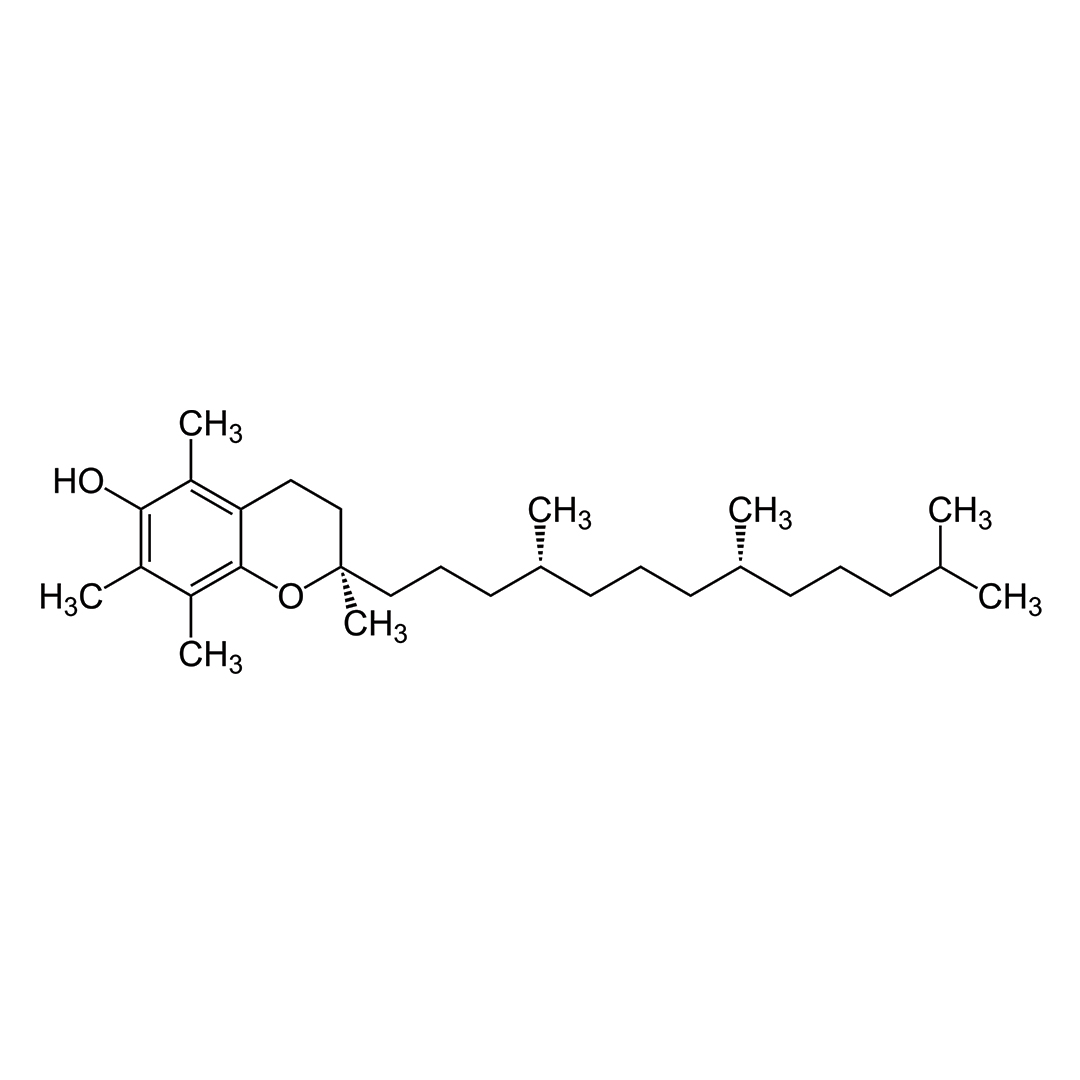
| CAS Number | 10191-41-0 |
| Other Names | alpha-Tocopherol, D-alpha-Tocopherol, 5,7,8-Trimethyltocol, (+)-alpha-Tocopherol, alpha Tocopherol |
| IUPAC Name | (2R)-2,5,7,8-tetramethyl-2-[(4R,8R)-4,8,12-trimethyltridecyl]-3,4-dihydrochromen-6-ol |
| Molecular Formula | C₂₉H₅₀O₂ |
| Molecular Weight | 430.7 |
| Purity | ≥99% Pure (LC-MS) |
| Liquid Availability | N/A |
| Powder Availability |  25 grams |
| Gel Availability | N/A |
| Storage | Store in cool dry environment, away from direct sunlight. |
| Certificate of Analysis | Due to this product’s nature, this chemical does not have a COA associated with it. |
| Terms | All products are for laboratory developmental research USE ONLY. Products are not for human consumption. |
What is Vitamin E?
Vitamin E is a fat-soluble antioxidant that plays a vital role in maintaining overall health and protecting the body’s cells from oxidative damage. It encompasses a group of eight compounds, including tocopherols and tocotrienols, with alpha-tocopherol being the most biologically active form in humans. Vitamin E contributes to immune function, skin and eye health, and may help prevent chronic diseases linked to oxidative stress, including cardiovascular disease and certain cancers. As a widely used dietary supplement, vitamin E has also been studied for its potential therapeutic applications in aging, neurodegenerative conditions, and dermatological health.
Main Research Findings
1) Supplementation of vitamin E is an alternative treatment for chronic insomnia that improves the quality of sleep and reduces the use of sedative drugs.
2) Co-administration of vitamin E and Atorvastatin improves insulin sensitivity, as well as the expression of peroxisome proliferator–activated receptor-gamma, in patients with type 2 diabetes mellitus.
Selected Data
1) The primary objective of the study conducted by the research team of Thongchumnum et al was to evaluate the effects of oral mixed tocopherol supplementation on chronic insomnia in postmenopausal women. The trial measured outcomes using the Pittsburgh Sleep Quality Index, a well-validated, self-administered questionnaire designed to assess sleep quality and disturbances.
The PSQI has a high reliability, with sensitivity and specificity rates of 89.6% and 86.5%, respectively. The instrument evaluates seven components of sleep: subjective sleep quality, sleep latency, sleep duration, habitual sleep efficiency, sleep disturbances, use of sleep medication, and daytime dysfunction. Each component is scored on a scale from 0 being no disturbance to 3 being severe disturbance, with total scores ranging from 0 to 21. A PSQI score greater than 5 is indicative of poor sleep quality. The primary outcome of this trial was post-intervention sleep quality, as assessed by the PSQI after one month of supplementation. The secondary outcome was a reduction in the use of sedative drugs [1].
Participants eligible for the study were postmenopausal women, who met the diagnostic criteria for chronic insomnia according to the American Academy of Sleep Medicine’s International Classification of Sleep Disorders, and who had a PSQI score above 5. Postmenopausal status was defined as individuals who had experienced 12 consecutive months of amenorrhea or had undergone bilateral oophorectomy. The study excluded women with hot flushes, contraindications to vitamin E such as those on anticoagulants or with severe hepatic or renal disease, current vitamin E or herbal supplement use, psychiatric disorders requiring medication, excessive caffeine intake or more than two shots of espresso per day, night shift workers, those undergoing cancer treatment, or with uncontrolled diabetes or hypertension [1].
Participants were randomly assigned to either the mixed tocopherol or placebo group using a computer-generated randomization sequence with a block size of four. Both participants and investigators were blinded to group allocation. The intervention group received Nat E capsules, each containing 400 units of mixed tocopherols including: 20% delta-tocopherol, 1% beta-tocopherol, 62% gamma-tocopherol, and 10% alpha-tocopherol. Participants in this group were instructed to take one capsule daily for one month. Those in the placebo group received an identical capsule daily for the same period. Participants were asked to maintain their normal daily routines and refrain from taking any additional medication other than their assigned treatment, except for essential medications related to pre-existing conditions or sedatives they were already using.
Baseline demographic and clinical data were collected at the time of enrollment. These included age, body mass index, age at menopause, years since menopause, type of menopause (natural or surgical), marital status, number of children, education level, socioeconomic status, underlying diseases, sedative drug usage history, and caffeine consumption. To ensure adherence and monitor side effects, participants were contacted during the first and third weeks of the trial via phone or social media. Compliance was defined as taking more than 80% of the assigned capsules. Participants completed the PSQI questionnaire both at the beginning and at the end of the one-month intervention period [1].
For statistical analysis, the researchers used descriptive statistics to summarize baseline characteristics. The Shapiro-Wilk test was employed to assess the normality of continuous data. Depending on the distribution, results were presented as mean and standard deviation or as median and range. Categorical variables were expressed as counts and percentages. To compare groups, the Student’s t-test was used for normally distributed continuous data, and the Mann–Whitney U test was applied to nonparametric data. Categorical variables were analyzed using Pearson’s chi-squared test or Fisher’s exact test when appropriate. A p-value less than 0.05 was considered statistically significant. The study followed an intention-to-treat approach for data analysis, ensuring that all participants were analyzed according to the group they were originally assigned to, regardless of adherence or dropout [1].
2) The research team of Tabaei et al carried out a randomized, double-blind clinical trial to evaluate the effects of co-administering vitamin E with atorvastatin in female patients with type 2 diabetes mellitus. The sample size was calculated based on a previous study that assessed the impact of atorvastatin on low-density lipoprotein cholesterol. Inclusion criteria were women aged 18–65 years with a body mass index of 25–35 kg/m², an HbA1c level between 7% and 9%, and a daily intake of 20 mg atorvastatin for low-density lipoprotein cholesterol control. Participants were required to be on similar glucose-lowering medications. Exclusion criteria included recent use of thiazolidinediones, vitamin E or other supplements, recent significant weight loss, thyroid dysfunction, pregnancy or breastfeeding, smoking, use of weight-loss drugs, and any chronic illness [2].
A total of 43 female type 2 diabetes mellitus patients were screened, and 30 eligible patients were randomly assigned to two equal groups: one receiving atorvastatin with a placebo and the other receiving atorvastatin with vitamin E. Randomization was performed using block randomization with a block size of six to ensure balanced allocation. To reduce selection bias, treatment packages were placed in indistinguishable boxes labeled with a random sequence, keeping both the care providers and participants blinded to the group assignments.
The atorvastatin with a placebo group received 20 mg atorvastatin daily along with 25 μg/d of lactose as placebo, while the atorvastatin with vitamin E group received 20 mg atorvastatin and 400 IU of vitamin E for 12 weeks. Identical packaging was used to ensure blinding, and medication adherence was monitored weekly by checking unused portions of the medications. Participants were instructed to maintain their usual diet throughout the study period. A dietitian supervised dietary adherence and assessed three-day dietary recalls at the end of each month. Supplement intake was monitored through weekly phone calls and verified using a food frequency questionnaire. Physical activity levels were assessed at the beginning of the study using the International Physical Activity Questionnaire [2].
The study aimed to evaluate the effects of combining vitamin E with atorvastatin on anthropometric parameters, fasting blood sugar, insulin levels and sensitivity, lipid profile, and peroxisome proliferator-activated receptor gamma (PPAR-γ) mRNA expression. Anthropometric measurements included body weight and height for BMI calculation and waist-to-hip ratio to assess fat distribution. Waist circumference was measured midway between the lowest rib and the iliac crest, while hip circumference was taken at the widest point of the buttocks. These measurements were taken at baseline and after 12 weeks, except for height [2].
Biochemical parameters were assessed using fasting blood samples collected at baseline and after the intervention. Blood was drawn from the antecubital vein into both EDTA-coated and regular tubes. To avoid hormonal influences on lipid levels, samples were not collected during the menstrual phase. Serum lipid profile, fasting blood sugar, two-hour plasma glucose, HbA1c, and insulin levels were measured using commercial immunoassay kits and analyzed with an automated Hitachi analyzer. Serum insulin was measured separately using an ELISA kit, and insulin resistance was calculated using the Homeostatic Model Assessment for Insulin Resistance formula.
To analyze gene expression, peripheral blood mononuclear cells were isolated from the EDTA blood samples through density-gradient separation. The isolated peripheral blood mononuclear cells were then processed for RNA extraction using a commercial kit. The concentration and purity of the extracted RNA were assessed using a NanoDrop spectrophotometer and agarose gel electrophoresis. Complementary DNA was synthesized for real-time PCR analysis. The expression of PPAR-γ was quantified using a SYBR Green chemistry PCR system, with GAPDH serving as the housekeeping gene. Primer sequences were designed using Gene Runner software. The PCR amplification involved an initial denaturation step followed by 40 cycles of denaturation and annealing/extension [2].
Serum vitamin E levels, specifically alpha-tocopherol, were measured using high-performance liquid chromatography. Internal standards were obtained from Sigma-Aldrich, and alpha-tocopherol was separated using a C18 column. Methanol served as the mobile phase, with the system operated at a flow rate of 0.8 mL/min and temperature of 30°C. The peak areas for tocopherols were measured at 280 nm. Special precautions, including nitrogen-filled, foil-wrapped tubes, were taken to prevent vitamin E oxidation during sample preparation and storage. The extraction involved mixing serum with alcohol, followed by hexane extraction and centrifugation, with the final solution injected into the HPLC system. The column was thoroughly washed between runs to maintain performance consistency [2].
Discussion
1) The study performed by the research team of Thongchumnum et al presents the protocol flow and the primary findings of a clinical trial investigating the effects of oral vitamin E supplementation on sleep quality among postmenopausal women with chronic insomnia. Initially, 182 women met the eligibility criteria based on the inclusion and exclusion parameters previously outlined. However, 22 of these potential participants were lost to contact before the start of the intervention. Ultimately, 160 postmenopausal women were successfully enrolled and randomized equally into two groups: 80 participants each in the vitamin E intervention group and the placebo control group [1].
Baseline characteristics of the two groups were statistically comparable across several demographic and health-related variables. These included age, body mass index, age at menopause, years since menopause, type of menopause (natural or surgical), marital status, number of children, level of education, socioeconomic status, presence of underlying diseases, and caffeine consumption. Although the vitamin E group had a higher proportion of participants who were using sedative medications at baseline compared to the placebo group, the difference was not statistically significant. All sedative drugs used by participants in either group belonged to the benzodiazepine class, specifically lorazepam or alprazolam. Underlying health conditions such as diabetes, hypertension, and dyslipidemia were well-controlled in most participants, and none of the included conditions were considered likely to affect sleep quality, consistent with the study’s exclusion criteria [1].
The primary outcome of the study was to evaluate the improvement in sleep quality, as measured by the PSQI, following one month of intervention. At baseline, the median PSQI scores between the two groups were marginally different. Participants in the placebo group had a median PSQI score of 11 with a range from 6 to 20, while those in the vitamin E group had a slightly higher median score of 13 with a range from 6 to 20, with this difference reaching statistical significance. This suggests that the vitamin E group may have had slightly poorer sleep quality at the start of the study.
After one month of intervention, participants in the vitamin E group experienced a significantly greater improvement in sleep quality compared to those in the placebo group. The post-intervention PSQI scores were notably lower in the vitamin E group, with a median score of 6 and a range from 1 to 18, while the placebo group had a median score of 9 with a range from 1 to 19. This difference was statistically significant, indicating that vitamin E supplementation had a meaningful impact on sleep quality among postmenopausal women with chronic insomnia [1].
Further analysis revealed that the magnitude of sleep improvement, defined as the difference between pre- and post-intervention PSQI scores, was significantly greater in the vitamin E group. The vitamin E group showed a median improvement of 5 points with a range from −6 to 14, whereas the placebo group exhibited a median improvement of only 1 point, with a range from −5 to 13. This between-group difference was deemed highly significant. These results reinforce the efficacy of mixed tocopherol supplementation in alleviating sleep disturbances in the study population [1].
In terms of the secondary outcome, the reduction in the use of sedative medications, the results reported significant improvement. In the vitamin E group, the proportion of participants using sedative drugs decreased from 30% at baseline to 15% post-intervention, representing a significant reduction. Conversely, the placebo group experienced a more modest and statistically non-significant decline in sedative use, from 17.5% to 10%. These findings suggest that vitamin E supplementation not only improved subjective sleep quality but also contributed to a reduced reliance on pharmacologic sleep aids, which is a clinically valuable outcome given the potential side effects and dependency risks associated with long-term benzodiazepine use.
In summary, this study demonstrates that one month of daily oral supplementation with mixed tocopherols can significantly improve sleep quality in postmenopausal women suffering from chronic insomnia. The improvements were evidenced by significantly lower PSQI scores and greater reductions in sedative drug use in the vitamin E group compared to the placebo group. The study’s strengths included full retention of participants, high compliance rates, and the absence of serious adverse effects. The findings suggest that vitamin E may be a viable non-pharmacologic alternative for managing sleep disturbances in postmenopausal women, with the potential to reduce dependence on sedative medications [1].
2) The clinical study performed by the research team of Tabaei et al investigated the effects of co-administering atorvastatin and vitamin E on insulin sensitivity, glycemic control, lipid profiles, and gene expression related to metabolic regulation in patients with type 2 diabetes mellitus. The primary aim was to determine whether combining these two compounds could mitigate some of the adverse metabolic effects typically associated with statin use and improve overall metabolic health in patients with type 2 diabetes mellitus.
The study found that the co-administration of atorvastatin and vitamin E led to improvements in insulin sensitivity, as evidenced by reduced serum insulin levels and lower Homeostatic Model Assessment for Insulin Resistance scores. These markers suggest a beneficial effect on insulin function, indicating that the intervention may reduce insulin resistance. While reductions in other markers such as HbA1c, two-hour plasma glucose, triglycerides, and total cholesterol were observed in the group receiving both atorvastatin and vitamin E, these reductions were not statistically significant when compared to the group receiving atorvastatin and placebo. However, from a clinical standpoint, the observed reductions, particularly the 80 mg/dL decrease in two-hour plasma glucose, may still be meaningful [2].
Previous research has suggested that atorvastatin, despite its beneficial effects on lipid profiles, may negatively impact glycemic control by impairing insulin secretion and exacerbating insulin resistance. This effect is believed to be mediated through the downregulation of glucose transporter type 4 in adipose tissue, which plays a critical role in glucose uptake. Therefore, combining atorvastatin with agents like vitamin E, which possess antioxidant and anti-inflammatory properties, may counteract these negative effects and enhance treatment outcomes for patients with type 2 diabetes mellitus.
The rationale for using vitamin E in combination therapy stems from its potential to improve glycemic control and reduce oxidative stress. In the present study, the combination therapy led to a statistically significant reduction in HbA1c levels within the atorvastatin with vitamin E group, whereas the reduction observed in the atorvastatin with a placebo group was neither statistically nor clinically significant. These findings are consistent with several previous studies that reported HbA1c reductions with high-dose vitamin E supplementation, including daily doses ranging from 100 IU to 1600 IU [2].
A noteworthy finding of the current study was the significant upregulation of PPAR-γ gene expression in peripheral blood mononuclear cells of the atorvastatin with vitamin E group. PPAR-γ plays a central role in regulating insulin sensitivity, inflammation, lipid metabolism, and glucose homeostasis. Its activation leads to enhanced expression of genes involved in antioxidant production, cholesterol efflux, and anti-inflammatory pathways, which collectively improve metabolic function. This molecular effect may help explain the improvements observed in insulin sensitivity following combination therapy [2].
In conclusion, the co-administration of vitamin E and atorvastatin appears to improve insulin sensitivity and modulate PPAR-γ gene expression in patients with type 2 diabetes mellitus. Although some of the observed benefits were not statistically significant, they may hold clinical relevance. The findings support the potential of combination therapy in managing the metabolic complications associated with statin use in diabetic patients and pave the way for future research into personalized and tissue-specific interventions [2].
Disclaimer
**LAB USE ONLY**
*This information is for educational purposes only and does not constitute medical advice. THE PRODUCTS DESCRIBED HEREIN ARE FOR RESEARCH USE ONLY. All clinical research must be conducted with oversight from the appropriate Institutional Review Board (IRB). All preclinical research must be conducted with oversight from the appropriate Institutional Animal Care and Use Committee (IACUC) following the guidelines of the Animal Welfare Act (AWA).
Citations
[1] Thongchumnum W, Vallibhakara SA, Sophonsritsuk A, Vallibhakara O. Effect of Vitamin E Supplementation on Chronic Insomnia Disorder in Postmenopausal Women: A Prospective, Double-Blinded Randomized Controlled Trial. Nutrients. 2023;15(5):1187. Published 2023 Feb 27. doi:10.3390/nu15051187
[2] Tabaei BS, Mousavi SN, Rahimian A, Rostamkhani H, Mellati AA, Jameshorani M. Co-Administration of Vitamin E and Atorvastatin Improves Insulin Sensitivity and Peroxisome Proliferator-Activated Receptor-γ Expression in Type 2 Diabetic Patients: A Randomized Double-Blind Clinical Trial. Iran J Med Sci. 2022;47(2):114-122. doi:10.30476/ijms.2021.89102.1981
Vitamin E is sold for laboratory research use only. Terms of sale apply. Not for human consumption, nor medical, veterinary, or household uses. Please familiarize yourself with our Terms & Conditions before ordering.



Reviews
There are no reviews yet.