


Description
Idebenone Nootropic Powder (5 Grams | 10 Grams)








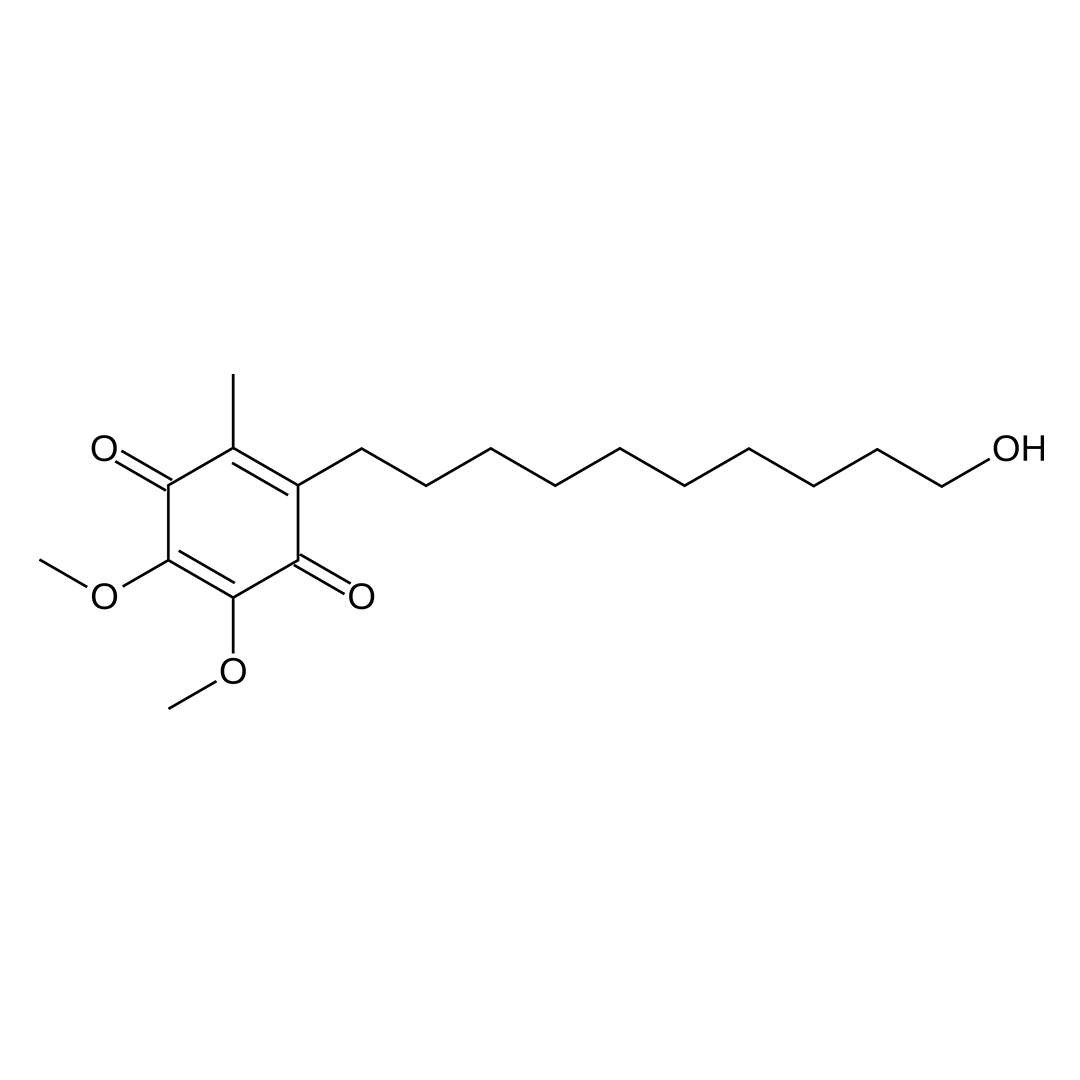
| CAS Number | 58186-27-9 |
| Other Names | Idebenona, Idebenonum |
| IUPAC Name |
2-(10-hydroxydecyl)-5,6-dimethoxy-3-methyl-cyclohexa-2,5-diene-1,4-dione
|
| Molecular Formula | C₁₉H₃₀O₅ |
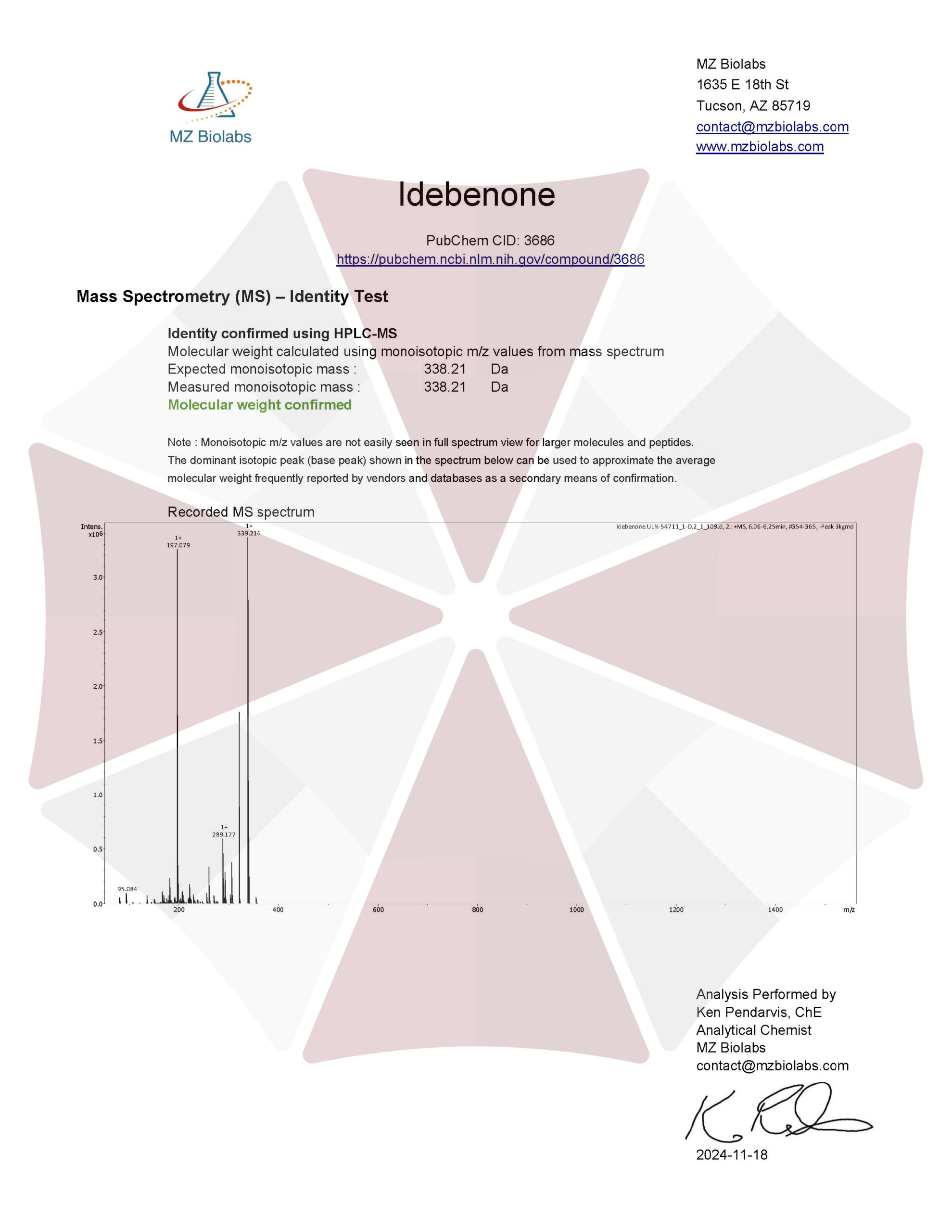
| Molecular Weight | 338.44 |
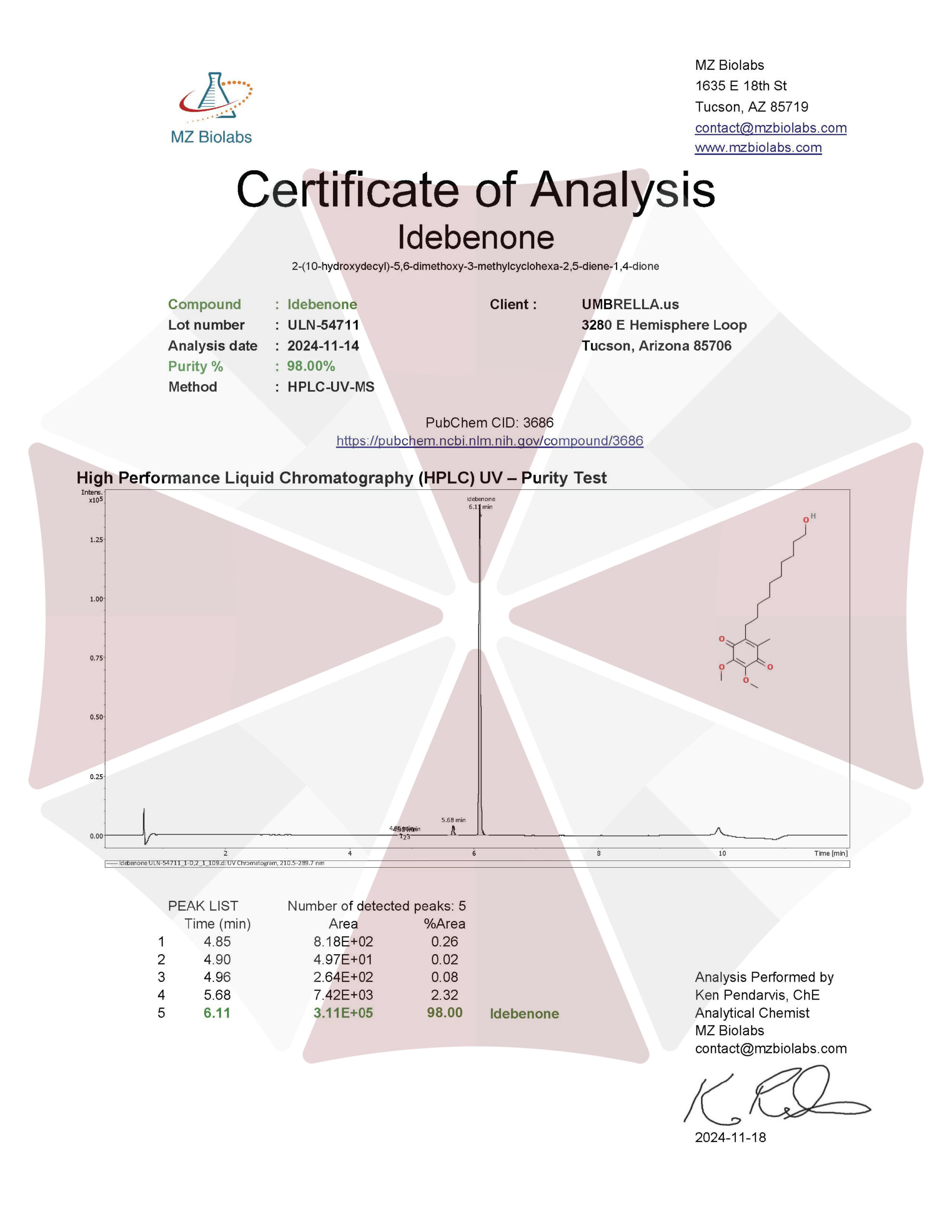
| Purity | ≥99% Pure (LC-MS) |
| Liquid Availability | N/A |
| Powder Availability |  5 grams, 10 grams |
| Gel Availability | N/A |
| Storage | Store in cool dry environment, away from direct sunlight. |
| Terms | All products are for laboratory developmental research USE ONLY. Products are not for human consumption. |
What is Idenbenone?
Idebenone is a synthetic analog of coenzyme Q10 that functions as a nootropic agent through its potent antioxidant activity and ability to support mitochondrial function. Initially developed for the treatment of neurodegenerative diseases like Alzheimer’s disease, it has since been studied for its potential to enhance cognitive performance, particularly in cases of age-related decline and neurological dysfunction. By promoting cellular energy production and mitigating oxidative stress in the brain, idebenone may contribute to improvements in memory, concentration, and overall cognitive functioning. Ongoing research continues to clarify the compound’s neuroprotective capabilities.
Main Research Findings
1) Treatment with idebenone was shown to reduce respiratory complications in patients with Duchenne’s muscular dystrophy.
2) Delivery of idebenone was shown to offer therapeutic benefit by improving fine motor skills and speech, as well as stabilizing overall neurological function.
Selected Data
1) The study performed by researchers McDonald et al evaluated the efficacy and safety of idebenone in Duchenne muscular dystrophy (DMD) patients who were not receiving concomitant glucocorticoids. A total of 64 DMD patients were enrolled in the study, which compared daily treatment with 900 mg idebenone to a placebo treatment.
To be eligible for the study, patients had to have a baseline peak expiratory flow percent predicted of ≤80%, indicating compromised pulmonary function. The treatment duration was set at 52 weeks, and the intention-to-treat population consisted of 31 patients randomized to the idebenone group and 33 to the placebo group. Participants were between 10 and 18 years of age, with an average age of 14.3 years. Patients in the placebo group were slightly older on average with an average age of 15.0 years, compared to those in the idebenone group that had an average age of 13.5 years [1].
At the start of the trial, 92.2% patients were non-ambulatory, and this proportion was consistent between treatment groups affecting 90% of those in the idebenone group and 94% of those in the placebo group. 43.8% of the participants had never previously used glucocorticoids. Those who had used glucocorticoids in the past were required to have discontinued them at least 12 months prior to the start of the study. No patient was allowed to take glucocorticoids during the 52-week trial period [1].
Spirometry was used to assess respiratory function, with evaluations conducted at baseline and at weeks 13, 26, 39, and 52. These tests were administered by qualified and certified operators using the Pneumotrac Spirometer 6800. The primary measures of respiratory function were peak expiratory flow and forced vital capacity, which were adjusted for maturational growth by converting them into percent predicted values. Since many DMD patients experience growth challenges, body height used in these conversions was calculated using ulna length measurements.
A post-hoc efficacy analysis was conducted to evaluate treatment-emergent adverse events, with a focus on bronchopulmonary adverse events. These events were identified and evaluated by an independent, blinded pulmonary specialist. Bronchopulmonary adverse events were defined as treatment-emergent adverse events affecting the larynx, trachea, bronchi, lungs, or lower airways. In contrast, adverse events involving the nose, throat, or sinuses were excluded from the bronchopulmonary adverse events classification due to their less direct impact on lower respiratory health. The included bronchopulmonary adverse events were those labeled under preferred medical terms such as bronchitis, pneumonia, laryngitis, upper respiratory tract infection, influenza with respiratory symptoms, viral respiratory infections, cough, dyspnea, and respiratory failure, including acute respiratory failure. Additionally, treatment-emergent adverse events like nasopharyngitis, otitis media, rhinitis, allergic rhinitis, or sleep apnea syndrome were excluded from the bronchopulmonary adverse events category [1].
Only bronchopulmonary adverse events that occurred during the period of study medication intake were considered for the analysis. Event duration was calculated from the start to the end date as recorded in the safety database. If the bronchopulmonary adverse events extended beyond the medication period, only the duration during treatment was considered. Yearly incidence rates of bronchopulmonary adverse events were also calculated, normalized to patient-years of exposure to the study medication. This allowed for a fair comparison of event frequency relative to the amount of time patients were exposed to either idebenone or placebo [1].
Additionally, the use of systemic antibiotics was evaluated to gauge how frequently airway infections or related complications may have required treatment. Only antibiotics with systemic exposure were included in the analysis. The focus was on antibiotics used specifically for respiratory infections, with consideration of the indications reported in the study’s concomitant medication records. The antibiotics most commonly administered were oral formulations of amoxicillin or amoxicillin/clavulanic acid.
In conclusion, this portion of the DELOS trial report provides a detailed account of the patient population, methodology for assessing respiratory function, and procedures used to identify and analyze bronchopulmonary adverse events and antibiotic usage. These analyses were crucial in evaluating the efficacy and safety profile of idebenone in DMD patients, particularly its potential to mitigate respiratory decline and associated complications [1].
2) The research team of Meier et al conducted this experimental study in order to evaluate the efficacy of idebenone in improving neurological function in pediatric patients with Friedreich’s ataxia. The investigation was conducted in two phases: a 6-month double-blind, randomized, placebo-controlled trial known as the IONIA study, followed by a 12-month open-label extension study referred to as IONIA-E.
The IONIA study initially enrolled 70 genetically confirmed pediatric patients who completed the full 6-month treatment period. To be eligible for the IONIA-E study, patients needed to weigh at least 25 kg and be capable of complying with study requirements. Exclusion criteria for the open-label phase included pregnancy or breastfeeding, clinically significant hematologic or biochemical abnormalities, and any history of drug or alcohol abuse. The patients were equally distributed between two clinical sites, and of the original cohort, 68 patients chose to continue into the IONIA-E study [2].
The treatment strategy during the IONIA study involved randomizing patients into three groups. Group A received a lower dose of idebenone of either 450 mg/day for those weighing 45 kg or less, or 900 mg/day for those weighing more than 45 kg. Group B was given a higher idebenone dose of 1,350 mg/day for those weighing 45 kg or less, or 2,250 mg/day for those over 45 kg. Finally, group C served as the placebo control. Each group had a relatively equal number of participants, with 22 patients in Groups A and B, and 24 in the placebo group. Following the conclusion of the blinded phase, all patients who entered the IONIA-E open-label extension received the higher idebenone dosage from Group B. The medication was administered in three divided doses per day, each taken with meals to ensure proper absorption [2].
The transition from the IONIA study to the IONIA-E study occurred quickly, with the first visit in IONIA-E taking place no later than 27 days after the final visit of the IONIA trial. During the IONIA-E phase, follow-up visits occurred on day 1, and at weeks 4, 12, 25, and 52, with an additional follow-up visit approximately four weeks after discontinuation of study medication. Patients were instructed to maintain daily diaries, which documented medication intake, adverse events, and any additional treatments or medications used. Ethical guidelines were rigorously followed, with all patients and/or guardians providing informed consent and all procedures approved by institutional review boards.
To assess neurological function, two validated clinical tools were employed: the International Cooperative Ataxia Rating Scale (ICARS) and the Friedreich Ataxia Rating Scale (FARS). While these scales are structured slightly differently, the research team grouped their respective items into common functional domains to facilitate comparisons across both scales. Details of this domain grouping are available in supplementary materials. The study’s statistical analyses focused on the intent-to-treat population using observed-case data only, meaning that only patients who had data recorded at relevant time points were included in the analyses [2].
For the open-label IONIA-E study, there were no predefined primary or secondary efficacy endpoints. Both ICARS and FARS changes were evaluated without prioritization, and no statistical corrections were made for multiple comparisons, in accordance with the prespecified analysis plan. The longer-term analysis combining data from the IONIA and IONIA-E studies over an 18-month period was designated as exploratory.
The primary analytic approach for efficacy involved assessing changes in ICARS and FARS total scores from baseline to the final visit of the IONIA-E study using a repeated-measures analysis of covariance. This model included terms for visit, initial treatment group assignment during the IONIA study, and the interaction between visit and treatment group. Baseline neurological scores were included as covariates to account for initial variability among patients. The same ANCOVA model was used to analyze changes over the entire 18-month period combining IONIA and IONIA-E data. The purpose of this statistical design was to evaluate whether idebenone had a sustained or cumulative effect on neurological function over time [2].
In summary, this experimental investigation evaluates the long-term effects of idebenone on neurological outcomes in pediatric patients with Friedreich’s ataxia. The study followed a carefully structured design involving a blinded randomized phase and a subsequent open-label phase, with comprehensive data collection and statistical analysis protocols. Though the analysis was exploratory and lacked corrections for multiple comparisons, it offers valuable insight into idebenone’s potential to alter the progression of neurological decline in this patient population over both the short- and long-term [2].
Discussion
1) The experimental trial conducted by the research team of McDonald et al investigated the effect of idebenone on respiratory function and bronchopulmonary complications in patients with Duchenne muscular dystrophy. A key objective was to determine whether idebenone could help prevent patients from falling below clinically significant thresholds in peak cough flow and forced vital capacity, which are important indicators of respiratory health in DMD.
In a pre-specified analysis, the proportion of patients whose peak cough flow dropped below the threshold of 160 L/min was assessed. At baseline, 26 patients in the idebenone group and 33 in the placebo group had peak cough flow above this threshold. During the 52-week treatment period, only 3.8% of patients in the idebenone group dropped below the threshold, compared to 18.2% in the placebo group. Similarly, the study analyzed the number of patients whose forced vital capacity fell below 1 L, another clinically relevant benchmark. Of the patients who started the study with forced vital capacity between 1 and 1.5 L, 55.6% of patients in the placebo group experienced a decline below 1 L, whereas only 16.7% in the idebenone group did. Across the entire intent-to-treat population, 15.6% of placebo patients fell below this threshold versus only 3.2% in the idebenone group. These findings suggest idebenone helps delay or prevent declines in critical respiratory function levels [1].
The trial also assessed bronchopulmonary adverse events, which are often associated with compromised respiratory function and pose serious health risks in DMD. A total of 19.4% of patients in the idebenone group reported 7 bronchopulmonary adverse events, whereas 51.5% of patients in the placebo group reported 28 bronchopulmonary adverse events. Further analysis using a Cox Proportional Hazards model showed that the hazard ratio for experiencing at least one bronchopulmonary adverse event was 0.327, in favor of idebenone. Additionally, a Proportional Means Regression Model considering all bronchopulmonary adverse events indicated a hazard ratio of 0.281, again favoring idebenone [1].
Although the mean duration of bronchopulmonary adverse events was slightly longer in the idebenone group, the median duration was similar between groups. The total number of bronchopulmonary adverse events days was significantly lower for idebenone at 82 days, compared to placebo at 222 days, indicating fewer and shorter events in the idebenone group. Hospitalizations due to respiratory causes were more frequent in the placebo group, with 4 patients admitted for issues like acute respiratory failure and pneumonia, compared to only 1 patient in the idebenone group, who was hospitalized for sleep apnea syndrome. These data consistently support the conclusion that idebenone reduces both the frequency and severity of bronchopulmonary complications in DMD patients.
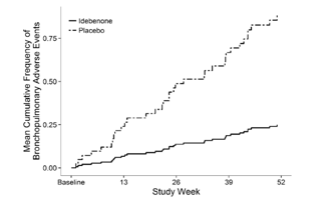
Figure 1: The average cumulative frequency of bronchopulmonary adverse events across 52 study weeks in the placebo-treated group and idebenone-treated group.
Further analyses were conducted to evaluate the influence of age, baseline respiratory function, and prior glucocorticoid use on the occurrence of bronchopulmonary adverse events. There were no major age differences between patients with or without bronchopulmonary adverse events within each treatment group. A slight age imbalance was noted, with the placebo group generally being older, but this did not account for the difference in outcomes. Baseline respiratory function, measured by peak expiratory flow, predicted peak expiratory flow, forced vital capacity, and predicted forced vital was largely similar between groups, particularly for patients who did not experience bronchopulmonary adverse events. However, among those who did experience bronchopulmonary adverse events, placebo patients had lower predicted forced vital capacity at baseline than idebenone-treated patients, suggesting that worse baseline function might increase susceptibility to complications in the absence of idebenone [1].
A multivariate Cox regression model incorporating age, predicted peak expiratory flow, predicted forced vital capacity, and prior glucocorticoid usage, showed that none of these factors significantly influenced bronchopulmonary adverse events risk, indicating that the reduction in bronchopulmonary adverse events was primarily due to idebenone treatment rather than baseline characteristics. The Proportional Means Regression model yielded similar findings.
Further stratification based on baseline pulmonary function revealed that the protective effects of idebenone were especially pronounced in patients with more severe impairment. Among patients with baseline predicted forced vital capacity or peak expiratory flow of ≤ 60%, those in the placebo group experienced over one bronchopulmonary adverse event per year on average, while idebenone-treated patients experienced substantially fewer or no bronchopulmonary adverse events. Notably, none of the idebenone-treated patients with baseline values ≤ 40% reported any bronchopulmonary adverse events, whereas placebo-treated patients with similar impairments did, again underscoring idebenone’s benefit in high-risk individuals [1].
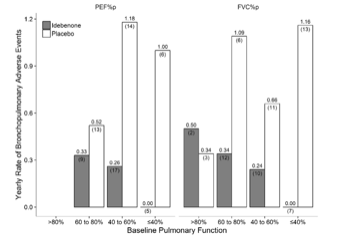
Figure 2: Yearly rate of bronchopulmonary adverse events measured by predicted peak expiratory volume and predicted forced vital capacity in the idebenone-treated and placebo-treated groups
The study also assessed systemic antibiotic use, which often accompanies severe respiratory infections. In the idebenone group, 22.6% of patients reported 8 antibiotic use episodes, compared to 39.4% of patients and 17 episodes in the placebo group. While the average duration of antibiotic use was similar across groups, total antibiotic days were fewer in the idebenone group at 65 days versus placebo at 105 days. Though neither the time to first antibiotic use nor the cumulative frequency reached statistical significance, hazard ratios from both the Cox model and the Proportional Means Regression model favored idebenone [1].
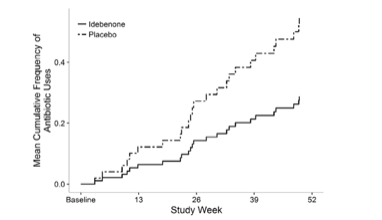
Figure 3: The average cumulative frequency of antibiotic groups across 52 study weeks in placebo-treated and idebenone-treated groups.
In summary, the trial provides significant evidence that idebenone treatment in DMD patients can slow the decline in respiratory function, reduce the incidence and severity of bronchopulmonary complications, and lessen the need for antibiotics. These benefits were most notable in patients with more advanced respiratory impairment, reinforcing the clinical value of idebenone in this high-risk population [1].
2) The IONIA-E study and the combined 18-month analysis of the IONIA and IONIA-E trials conducted by the research team of Meier et al evaluated the impact of idebenone on neurological function in pediatric patients with Friedreich’s ataxia. There were no significant demographic imbalances between the two participating groups. The study aimed to track neurological changes under idebenone treatment. At the beginning of both the IONIA and IONIA-E studies, ICARS and FARS scores were similar across treatment groups, suggesting comparability at baseline [2].
During the 12-month open-label IONIA-E study, the mean ICARS score increased by 1.1 points, indicating a slight worsening of neurological function. This finding contrasts with the 6-month IONIA study, where ICARS scores decreased by 2.0 points, suggesting improvement. Over the entire 18-month period, from the beginning of IONIA to the end of IONIA-E, the mean ICARS score showed a net decrease of 1.2 points. However, when analyzed using a repeated-measures ANCOVA model, the estimated ICARS score increased by 0.98 points during the IONIA-E study, which was not statistically significant. For the combined 18-month period, the estimated ICARS score decreased by 1.03 points, which was also not statistically significant [2].
Closer examination of ICARS subscores revealed that the “posture and stance” domain showed a consistently linear and statistically significant worsening across the IONIA-E and combined study periods. This worsening was significant for the placebo and the low-dose idebenone groups but not statistically significant for the high-dose idebenone group, although it did show a smaller degree of decline.
When the posture and stance subscore was excluded, the remaining ICARS subscores including covering eye movement, speech, upper and lower limb ataxia, and spiral drawing, showed consistent improvements. These changes were statistically significant across the combined 18-month study period and showed a trend toward improvement during the IONIA-E study. The speech subscore in particular showed significant improvement, echoing results from FARS analyses as well [2].
Analysis by treatment group showed that patients who had received the high dose of either 1,350 or 2,250 mg/day of idebenone during the initial IONIA trial had the most favorable long-term outcomes. After 18 months, this group had the lowest ICARS scores. According to the ANCOVA model, their ICARS scores decreased significantly by 3.02 points. In contrast, the low-dose idebenone group receiving 450 or 900 mg/day, showed a minimal and statistically non-significant increase of 0.11 points, while the placebo group showed a similarly non-significant decrease of 0.18 points. This indicates that the high-dose idebenone group experienced a more meaningful improvement over time [2].
Comparative analysis of the treatment groups revealed trends suggesting better outcomes in the high-dose idebenone group relative to both the placebo group and the low-dose group as they exhibited an estimated difference in ICARS score of -2.83 points and -3.12 points, respectively. Although these differences did not reach conventional levels of statistical significance, they suggest a potentially meaningful clinical effect. A responder analysis showed that 63.9% of all participants experienced either improvement or no worsening in ICARS scores, and 31.1% improved by at least 5 points during the 18-month period .
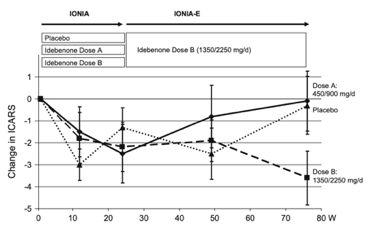
Figure 4: Change in the ICARS total score for the 18-month combined study period across the placebo group, and high- or low-dose idebenone groups.
Changes in FARS scores paralleled those seen with ICARS. Over the course of the IONIA-E study, there was an estimated mean increase of 2.23 FARS points, indicating some worsening of neurological function. For the full 18-month period, the mean FARS score increased by 1.58 points, again reflecting a modest decline. However, as with ICARS, the changes in FARS subscores varied across different domains. The most improvement was seen in the speech subscore, mirroring ICARS findings. Meanwhile, scores related to stability, gait, and peripheral nervous system function worsened. Patients in the high-dose idebenone group showed the most favorable FARS outcomes. Over 18 months, there was a trend toward a difference of -3.17 points in FARS total score compared to the placebo group. No significant difference was observed between the high-dose and low-dose idebenone groups in FARS outcomes [2].
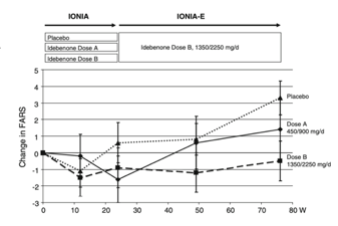
FIgure 5: Change in the FARS total score for the 18-month combined study period across the placebo group, and high- or low-dose idebenone groups.
In conclusion, these findings suggest that idebenone, particularly at higher doses, may have a beneficial effect on some aspects of neurological function in pediatric patients with Friedreich’s ataxia, as reflected in ICARS and FARS scores. While some functional domains such as posture and stance worsened, others including speech and limb coordination, improved or remained stable. These results support the potential for idebenone to modify disease progression in a subset of patients [2].
Disclaimer
**LAB USE ONLY**
*This information is for educational purposes only and does not constitute medical advice. THE PRODUCTS DESCRIBED HEREIN ARE FOR RESEARCH USE ONLY. All clinical research must be conducted with oversight from the appropriate Institutional Review Board (IRB). All preclinical research must be conducted with oversight from the appropriate Institutional Animal Care and Use Committee (IACUC) following the guidelines of the Animal Welfare Act (AWA).
Citations
[1] McDonald CM, Meier T, Voit T, et al. Idebenone reduces respiratory complications in patients with Duchenne muscular dystrophy. Neuromuscul Disord. 2016;26(8):473-480. doi:10.1016/j.nmd.2016.05.008
[2] Meier T, Perlman SL, Rummey C, Coppard NJ, Lynch DR. Assessment of neurological efficacy of idebenone in pediatric patients with Friedreich’s ataxia: data from a 6-month controlled study followed by a 12-month open-label extension study. J Neurol. 2012;259(2):284-291. doi:10.1007/s00415-011-6174-y
Idebenone is sold for laboratory research use only. Terms of sale apply. Not for human consumption, nor medical, veterinary, or household uses. Please familiarize yourself with our Terms & Conditions prior to ordering.


| File Name | View/Download |
| 2024-11-14-Umbrella-Labs-Idebenone-Certificate-Of-Analysis-COA.pdf |  |
VIEW CERTIFICATES OF ANALYSIS (COA)



Reviews
There are no reviews yet.